Education is often associated with classrooms, textbooks, examinations, and academic achievements. While formal education remains essential, it is only one part of a young person's overall development. Today, educators, employers, and global institutions increasingly recognize the value of non formal in preparing young people for the challenges of the modern world. The International Award for Young People (IAYP) has become one of the leading organizations promoting non formal education by helping young individuals develop practical skills, confidence, resilience, and leadership abilities.
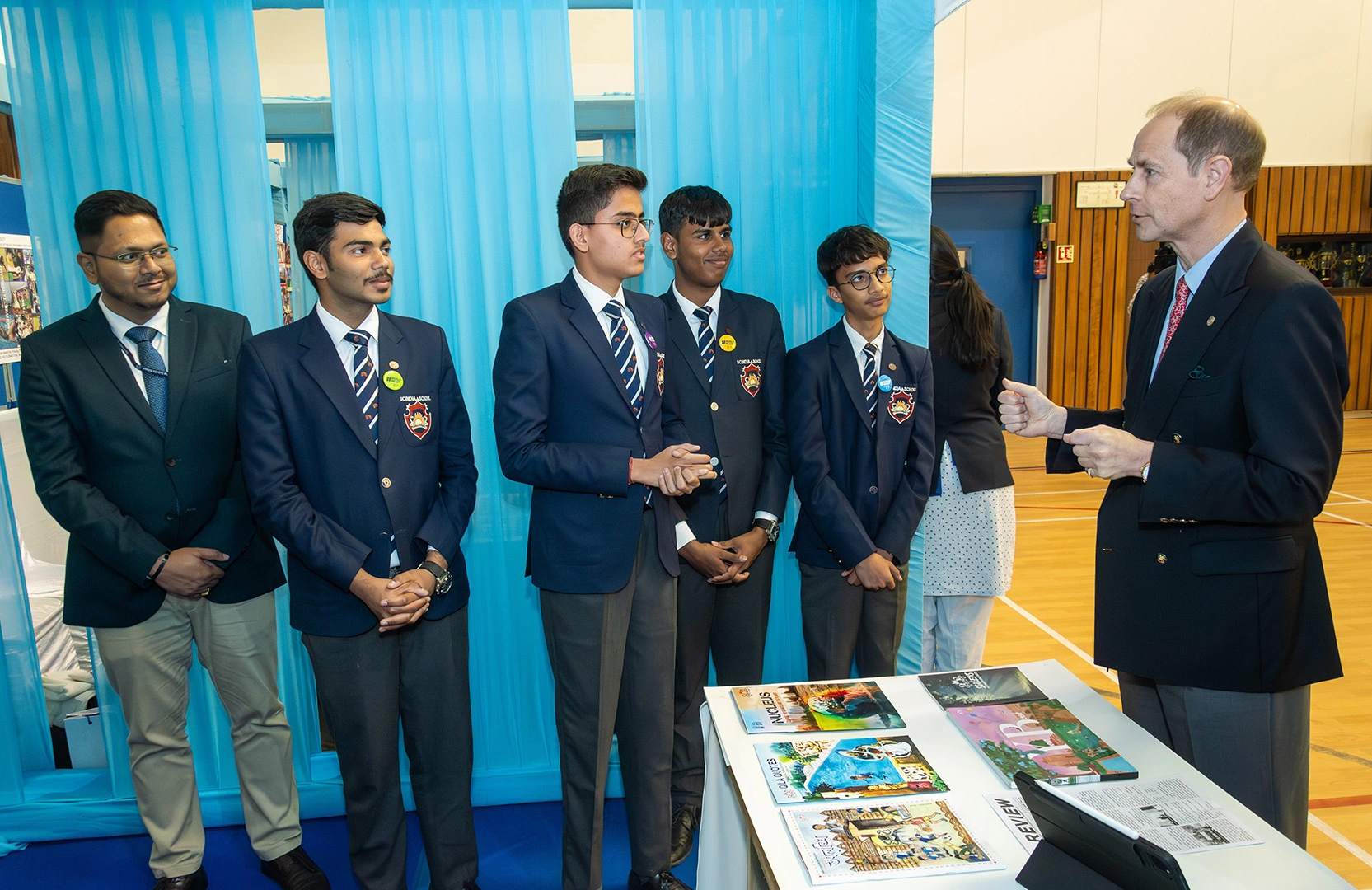
The International Award for Young People was introduced in India in 1962 with the objective of helping young people achieve their full growth potential within the framework of Indian society. Since then, thousands of participants across the country have benefited from its unique approach to youth development. The organization works with schools, educational institutions, and youth centers to provide meaningful experiences that go beyond traditional academic learning. According to IAYP, young people need not only a strong formal education but also a robust non formal education that equips them for life. This philosophy forms the foundation of the Award Programme.
Unlike conventional learning methods, non formal focuses on experiences outside the classroom. It encourages participants to engage in activities that help them discover their strengths, improve their abilities, and contribute positively to society. Through practical experiences, young people learn qualities such as perseverance, self-discipline, adaptability, teamwork, and communication. These skills are increasingly valued in higher education and professional environments.
One of the most distinctive aspects of the IAYP framework is its structured yet flexible approach to non formal education. Participants between the ages of 14 and 24 can choose from three Award levels: Bronze, Silver, and Gold. Each level is designed to challenge participants progressively while allowing them to pursue activities based on their interests and personal goals. This personalized approach makes the learning journey engaging and meaningful.
The Award Programme is built around four key sections that form the core of its non formal education model. The first section is Voluntary Service, where participants dedicate their time to helping communities, supporting social causes, or contributing to environmental initiatives. Through service activities, young people develop empathy, compassion, and a sense of civic responsibility. These experiences help them understand the importance of giving back to society and becoming active citizens.
The second section focuses on Skills. Participants choose an area of interest and work consistently to improve their abilities. This could include music, art, photography, coding, cooking, public speaking, or countless other pursuits. By encouraging continuous learning and self-improvement, this aspect of non formal education allows participants to develop expertise and confidence in areas that may not be covered by traditional academic curricula.
Physical Recreation forms the third section of the programme. Participants engage in sports, fitness activities, or other forms of physical exercise that promote health and wellbeing. This component recognizes the importance of maintaining a healthy lifestyle while building determination, discipline, and endurance. Through physical challenges, young people learn valuable lessons about commitment and personal growth.
The fourth section is the Adventurous Journey, one of the most transformative elements of the Award. Participants plan, train for, and undertake outdoor expeditions in teams. These journeys encourage problem-solving, teamwork, leadership, and resilience. The adventurous nature of these activities allows participants to step outside their comfort zones and develop confidence through real-world experiences. Such opportunities highlight why non formal is essential for developing practical life skills that cannot always be learned in a classroom.
For participants pursuing the Gold Award, an additional Residential Project is required. This project involves working and living with people from diverse backgrounds in an unfamiliar environment. The experience promotes social awareness, cooperation, and personal independence. It further strengthens the role of non formal education in preparing young people to thrive in a multicultural and interconnected world.
One of the reasons the IAYP programme has gained international recognition is its emphasis on character development. The organization believes that qualities such as grit, curiosity, optimism, self-control, and resilience are critical for success in life. Through non formal, participants develop these attributes while pursuing activities they genuinely enjoy. This approach ensures that learning remains engaging, relevant, and impactful.
The benefits of non formal education extend beyond personal growth. Universities and employers increasingly value experiences that demonstrate leadership, initiative, teamwork, and community involvement. The skills acquired through the IAYP programme help participants stand out in competitive academic and professional environments. Moreover, the internationally recognized Award provides evidence of a young person's commitment to self-development and social responsibility.
Another important advantage of non formal is its inclusivity. The IAYP programme is open to young people from diverse backgrounds, abilities, and interests. Participants are encouraged to choose activities that suit their circumstances and aspirations. This flexibility ensures that every individual can create a unique learning journey while working toward meaningful goals.
In today's rapidly changing world, academic knowledge alone is no longer enough. Young people need opportunities to build confidence, strengthen relationships, develop leadership skills, and gain practical experience. This is precisely where non formal plays a vital role. Through its comprehensive framework, the International Award for Young People empowers participants to become responsible, capable, and compassionate individuals.
As the demand for well-rounded individuals continues to grow, the importance of non formal will only increase. By combining service, skills development, physical activity, and adventure, IAYP provides a powerful platform for holistic growth. Its mission to equip young people for life demonstrates how meaningful experiences outside the classroom can shape future leaders and responsible global citizens.
The International Award for Young People continues to inspire thousands of young individuals across India by proving that education is not limited to textbooks and examinations. Through the power of non formal education, participants gain the knowledge, confidence, and character needed to succeed in every aspect of life.